


Choose where to begin
Skógar Museum is a useful stop if you want to understand the human history behind the South Coast landscape. It combines three parts: the Folk Museum, the Technical Museum and the Open Air Museum. One admission covers the museum area, so choose your starting point by interest and weather rather than treating each collection as a separate ticket decision. [1] [5]
If you want to visit a preserved farm site rather than a museum with several collections, our Keldur turf farm guide explains its short summer opening season and how to check access before travelling.
| Your interest | Start here | What to look for |
|---|---|---|
| Everyday life and traditional skills | Folk Museum | Fishing, farming and household objects |
| Vehicles and changing technology | Technical Museum | Transport and communications |
| Historic homes and buildings | Open Air Museum | Turf buildings, the schoolhouse, church and Holt house |
If time is limited, agree on one main interest before arriving. Look closely at that collection first, then decide how much of the remaining site fits. This is more useful than rushing through every room merely to say you have seen all three sections.
Skógar Museum
On the map
Explore the locations using the links below.
OpenFreeMap · © OpenMapTiles · © OpenStreetMap
Museum area marker only. This is not an entrance, parking space or walking route. Follow signs on arrival.
Location sources
Understand life on the South Coast
The Folk Museum connects the coast outside with the work that sustained its communities. Its fisheries collection explains how boats were launched from exposed beaches along this coast. The central exhibit is Pétursey, an eight oared fishing boat built in 1855 and used until 1946. [2]
Farming tools, woolworking equipment and household crafts broaden the story beyond fishing. As you look, consider what a household needed to make or repair for itself: clothing, tools and everyday furnishings. That question gives a useful thread to follow through a collection of unfamiliar objects. [2]
For families, let each person choose one object and work out what job it did before moving on. You do not need specialist knowledge to notice the relationship between materials, work and the weather outside.
Follow the transport story
The Technical Museum traces transport, communications and technology through the nineteenth and twentieth centuries. Its collections include contributions from road services, postal services, telecommunications and other organisations. [3]
This makes a useful companion to a driving holiday. Instead of viewing each vehicle as an isolated exhibit, follow the broader question of how people, goods and messages moved across Iceland. Compare that story with the roads and bridges you are using on your own journey.
If your group is more interested in machines than household history, start here. Leave the Folk Museum for a second part of the visit rather than assuming everyone must follow the same order.
Allow for the outdoor buildings
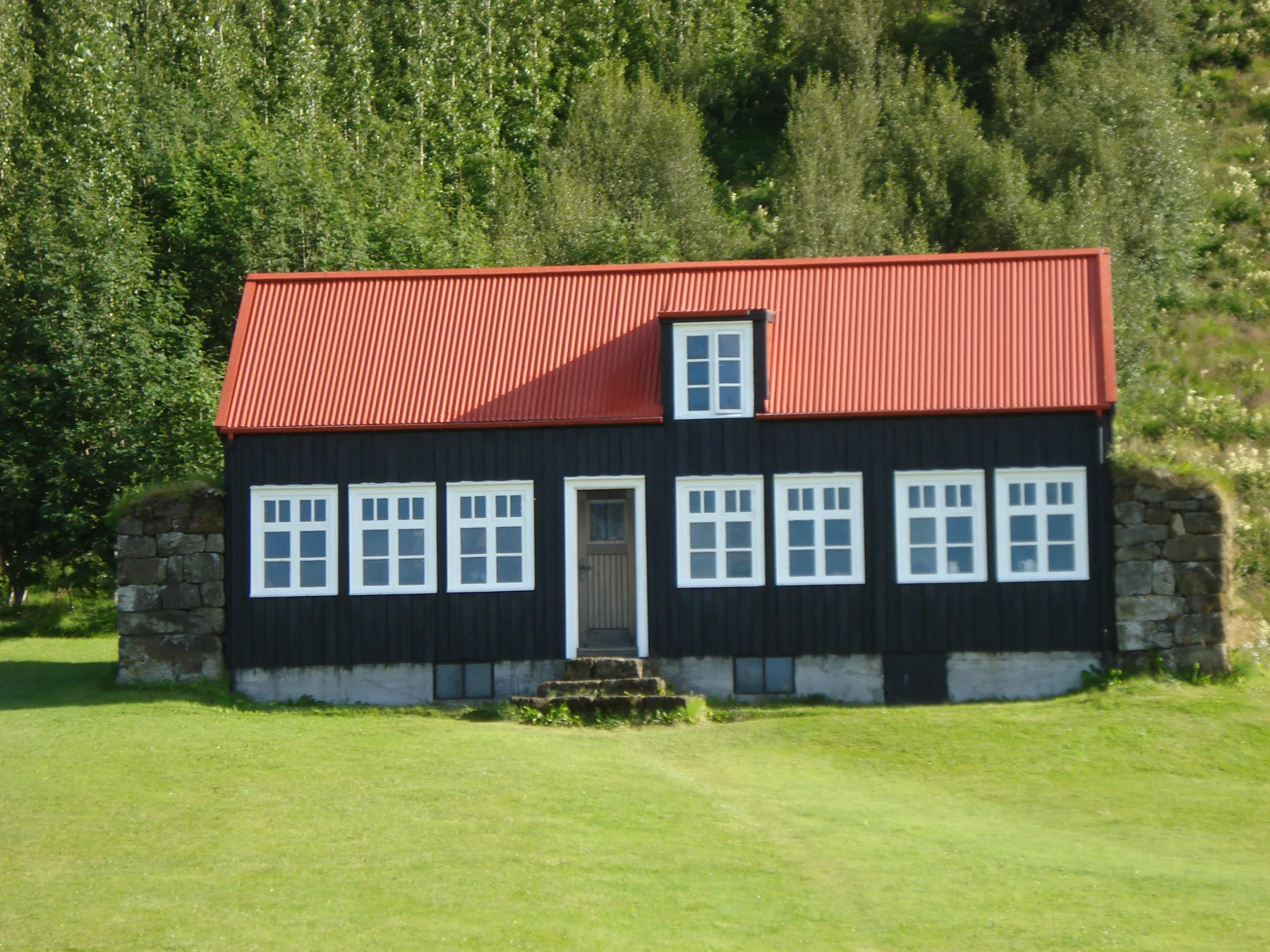
The Open Air Museum spreads historic buildings across grounds at different levels. The museum describes traditional turf buildings in its lower section, with a schoolhouse, church and other buildings higher up; Holt house stands at the highest part. These are not all exhibits in one sheltered hall. [4]
Keep an outdoor layer with you and decide how the grounds fit the conditions when you arrive. In settled weather, you might begin outdoors and finish with the collections. In rain, starting indoors gives you time to reconsider the outdoor portion without committing to it first.
If steps, slopes or older doorways could affect your visit, ask the museum about the particular buildings you want to see. Do not assume that access to one exhibition means identical access throughout the historic buildings. The photograph above is from 2007 and is not a guide to today’s entrances.
Check hours and admission before setting out
The museum’s own page lists the following hours, checked on 20 October 2026: [5]
- June through August: 09:00 to 18:00.
- September through May: 10:00 to 17:00.
- Closed on 24 December, 25 December and 1 January.
Published admission for 2026 is 3000 ISK for adults, 2000 ISK for students and seniors, and 1600 ISK for teenagers aged 12 to 17. Children under 12 accompanied by an adult enter free. A family ticket for two adults and their children aged 17 or younger is 6750 ISK. Admission includes the full museum area and a brochure. Recheck the museum’s current hours and prices before travelling. [5]
Use the museum’s own page when checking details, as older destination listings may show different winter hours or prices. Allow time before closing for the collections you most want to see; arriving shortly before the stated closing time is not the same as having a full visit available.
Fit the museum into your South Coast day
The museum is at Skógar, just off Route 1 on the South Coast. The map below marks the museum area using the regional tourism board’s published coordinate. It does not identify a parking entrance or trace a walking route. Follow the signs on arrival. [6]
Pairing it with Skógafoss gives the day both landscape and local history. Choose the scale of the waterfall visit first: the base view, upper viewpoint and a longer trail are different commitments. If the museum is a priority, protect its opening hours rather than leaving it until after an open ended walk.
A planned activity at Sólheimajökull may already anchor your day. Keep its actual meeting time and your onward journey in view before adding the museum. If continuing to Vík, leave time for the journey and the village rather than collecting every nearby stop.
Indoor exhibits offer a change of activity, but they are not a reason to drive in unsuitable conditions. Check the official links on our Travel conditions page before setting out. Shorten or rearrange the day when necessary.
Common questions
Do I need three separate museum tickets?
No. The museum’s published admission includes the whole museum area. You can choose which collection to explore first.
Is the visit entirely indoors?
No. The Folk Museum and Technical Museum have indoor exhibits, while the Open Air Museum includes historic buildings across outdoor grounds. Plan clothing and access needs for the parts you want to visit.
Can I combine the museum with Skógafoss?
Yes, as a deliberate plan for the Skógar area. Keep the museum’s opening hours in mind and decide how much of the waterfall visit you want before adding a longer walk.
Sources & useful links
Checked 20 October 2026. Trail access, weather and operator details can change.